Mag. Sylvia Neubauer
An inseparable combination: Microbiome and quality of life
The bacteria in our intestines influence happenings in our entire organism: The importance of a smooth digestion may be well known, but countless scientific studies show the central role our intestinal inhabitants play in the war against bladder infections, irritable colon, migraines, and co. – all symptoms that mainly afflict women.
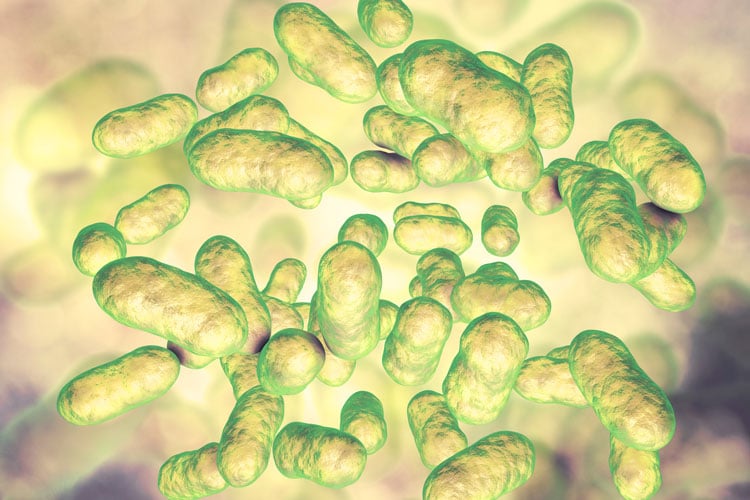
Every human being is the home to a huge community – our microbiome. It contains all types of microorganisms such as bacteria, viruses, and fungi. In only one gram of our intestinal contents, we can find trillions of living beings, mainly in the villi and recesses of our bowels. As such, the colon has the highest population of microorganisms. These microscopically small beings also inhabit our skin and mucosa – such as our mouth, throat, and genitals. The microbiome acts as a „super organ“ and is closely connected to many areas of the body: „The healthier our intestines, the better our wellbeing and quality of life„, explains Mag. Anita Frauwallner, intestinal expert, founder, and head of the Institut AllergoSan.
Between 500 and 1.000 different bacteria species and 100 trillion microorganisms bustle about in the healthy bowels of an adult. The more diverse the composition of the microbiome, the better. A balanced intestinal colonisation in which helpful bacteria prevail and keep the potentially dangerous and pathogenic microbes at bay is very important. If this balance tilts in favour of the pathogens, such as coliform and putrid bacteria, it is known as dysbiosis and is the source of various complaints throughout our entire organism.
The healthier our intestines, the better our wellbeing and quality of life.
The vaginal flora – a protective shield against germs
A change in the composition of the intestinal flora can also have consequences on our genital area. More precisely, the reproductive organs and urinary tract. When unwanted, pathogenic bacteria wreak havoc in the intestines, they increase the susceptibility to (recurring) urinary tract infections, salpingitis, yeast infections, and sexually transmitted diseases. But why does this happen? One millimetre of a healthy vagina is home to 100 million microbes on average. The majority of these being the lactic acid bacteria which are imperative to our health. They produce hydrogen peroxide and substances with antibiotic activity which chase off pathogenic bacteria. Furthermore, these lactic acid bacteria, also known as lactobacilli in the scientific community, lower the pH-value and create a healthy, and slightly acidic vaginal environment. „If we can maintain a slightly acidic vaginal environment, pathogens can’t survive and are eliminated from the body“, clarifies Mag. Frauwallner. The millions of lactic acid bacteria basically act as a protective shield for the genital area.
Many studies have proven the importance of the rectum for the health of the genital area: If certain types of lactobacilli are found in the anal area, women have a lower risk of suffering from infections in the vaginal area.
Natural „transport routes“ of lactobacilli
But how do bacteria get from the intestines to the vaginal area? The explanation is easy when we take a look at the female anatomy: If you have a look at a cross-section of the female pelvis, you may realise that the anal area or rectum, the vaginal area, and the urinary system are not completely sealed systems. Instead, they all lead to different openings. „There is actually a type of mucosal track between the anal and vaginal area“, explains the intestinal expert. Lactobacilli make the journey via this physiological transport route from the rectum, which acts as a reservoir for useful lactic acid bacteria, to the vagina. This is essential for the health of a woman as the bacteria in the vaginal area are constantly used or destroyed, e.g. chlorine in the water. Many studies have proven the importance of the rectum for the health of the genital area: If certain types of lactobacilli are found in the anal area, women have a lower risk of suffering from infections in the vaginal area. The more lactobacilli there are, the stronger the protection against infections. True to the saying „Together we are strong“, „there are no bacteria that can do everything“, emphasises Mag. Frauwallner and clarifies: „To stop all the different pathogens from growing and multiplying, we always need several helpful bacteria with different properties and modes of action.“
Interestingly, bacteria can also settle down in the vagina when they are taken orally in the form of probiotics. A fact indisputably proven by clinical studies:
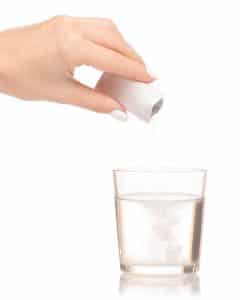 The bacteria species that were drunk – activated in water -, were already found in large numbers in the vaginal area after one week of use. We can also use this natural effect after a typical treatment with antibiotics: Especially after the intake of antibiotics, both the health-promoting and harmful microbes are decimated, the protective shield in the genital area is weakened and can do little against further pathogenic intruders. One study showed that despite a typical antibiotic treatment against bacterial vaginosis, 38% of all patients still had the pathogenic microbes. However, the women that received an adequate probiotic for their antibiotic treatment showed no such rebound. The probiotics restored the balance of the weakened (vaginal) microbiome and put a stop to recurring infections.
Well prepared – how women can strengthen the defence of their genital area:

-
Refrain from excessive hygiene:
Antibacterial cleaning products dry out the mucosa of the vagina, which invariably leads to the demise of helpful bacteria. Instead, clean the outside of the vagina daily with water or a very mild cleanser from front to back.
-
Reduce sugar consumption:
Too much sugar can change the pH-value of the vagina. Carbohydrates are made up of sugar molecules. Especially processed carbohydrates found in sweets, but also in white bread, polished rice and noodles offer fungi the perfect breeding ground and shouldn’t be consumed too much.
-
Count on special bacteria:
Lactic acid bacteria keep the vaginal flora intact and prevent infections. Ideally combined bacterial strains in large numbers for the female vaginal flora are found in combined probiotics.
-
Recovery after antibiotic treatment:
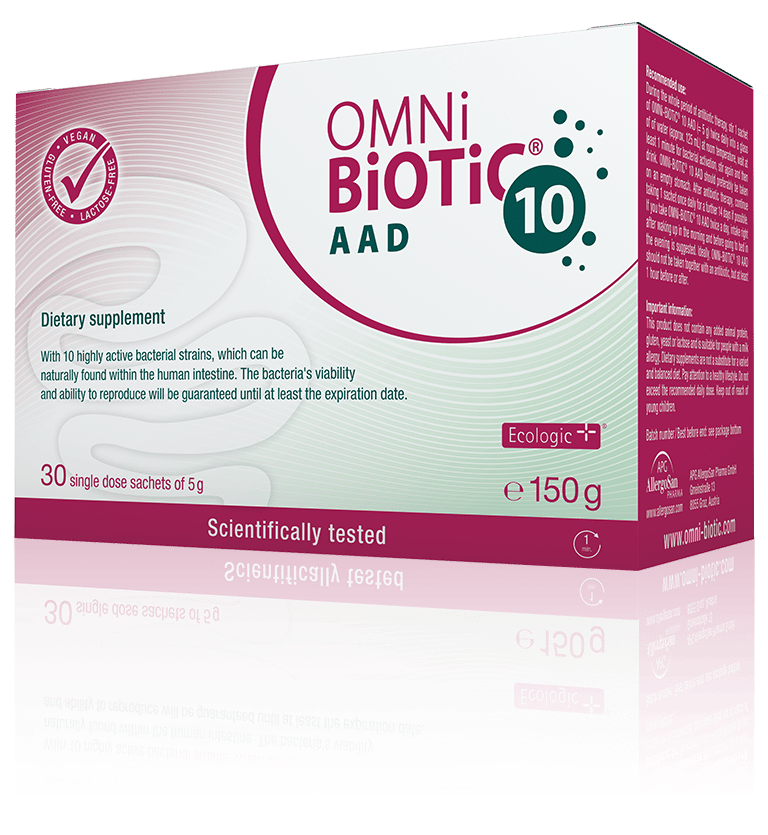
Antibiotics inhibit the growth of microorganisms or kill them altogether. As these drugs can’t differentiate between pathogenic and helpful bacteria, our body’s own „ecosystem“ quickly becomes unstable after the intake. It is recommended to accompany every antibiotic treatment with probiotics. It also prevents the disease from recurring.
Irritable (intestinal) microbes
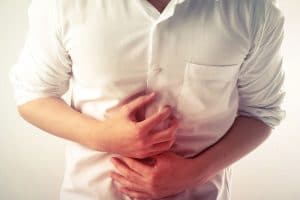 When we are confronted with a difficult decision, we listen to our gut feeling. Sadness takes away our appetite and stress causes stomach aches. There is no doubt that our head and stomach are in constant contact. The local microorganisms in our intestines act as central communication antennae, also known as the gut-brain-axis. This hub allows nerve, hormonal, and immunological signals to be exchanged between the microbiome, intestines, and brain. This junction also plays a role in the irritable bowel syndrome. The typical symptoms of an irritable colon include stomach aches, bloating, and defecation difficulties whereas women are affected twice as often as men. Characteristically, there is no ascertainable disease as a cause for these complaints. So these patients are „medically healthy“. Many feel as though they aren’t being taken seriously and about half of all irritable colon patients also suffer from anxiety disorders and depression.
Within a month of supplementing a multispecies probiotic, the severity of the irritable bowel syndrome was reduced and was similar to that of a healthy person.
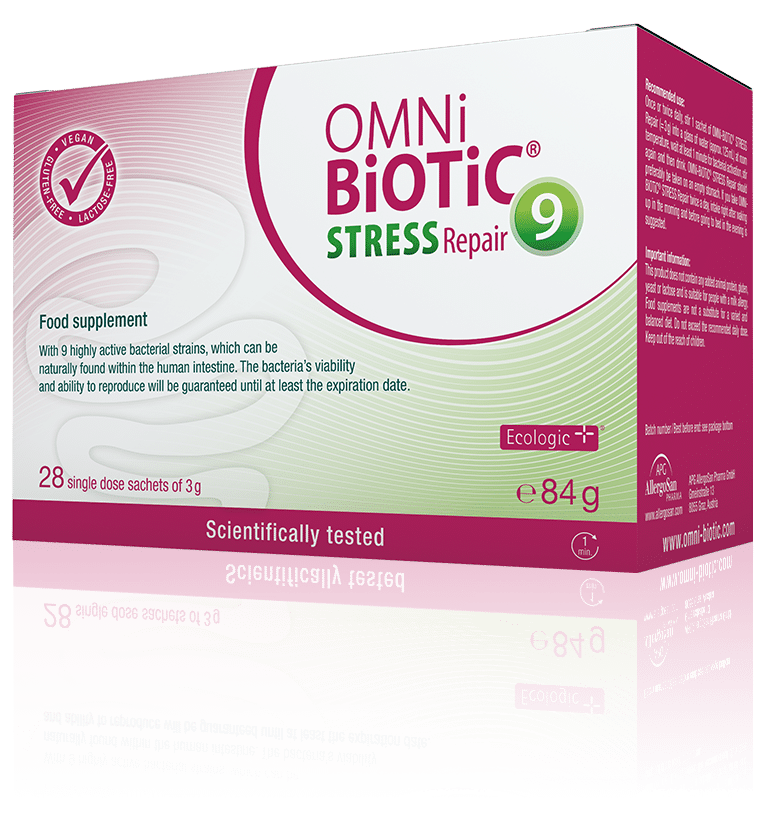
A recently published study from Graz impressively shows the significantly positive effect that probiotics can have against an irritable colon: The test subjects received a multispecies probiotic with nine bacterial strains specifically against stress associated complaints twice a day for one month. Within this short period, the severity of the disease was reduced and was similar to that of a healthy person. Furthermore, the barrier function of the intestines improved considerably. And if it wasn’t enough, it was proven beyond a doubt that the intake of probiotics increased the vital diversity of the entire microbiome in the upper digestive tract:
„The bacteria in probiotics produce many different metabolites“, says Mag. Frauwallner: „As a result, and this was proven for the first time, new bacteria can actually colonise the intestines or other, less predominant bacteria can multiply. Thanks to the bacteria that were supplemented through the probiotics, other positive microorganisms can inhabit and grow in these optimal living conditions.“ This allows the intestines to become less „irritable“.
Microglia- the health wardens in our brain
„When the microbiome recovers, the function of the microglia cells in the brain return to normal“, knows the intestinal expert. The so-called microglia cells basically act as the garbage disposal in our brains. Like a resting octopus, the microglia cells extend their tentacles, analysing the tissue with their fine hairs. If they encounter toxins, deposits, and co., the unwanted particles are broken down by the microglia cells and removed from the brain. These important cells need butyrate, a short-chain fatty acid produced by the intestinal microbiome, as a source of energy for their optimal function and mobility. If there are too little helpful, probiotic bacteria in our intestines, there isn’t enough energy available for the cleaning activities of the microglia cells. As a result, harmful substances accumulate in the brain, which leads to headaches and migraines.
Migraines – a common „female disorder“
 The connection between sudden, very painful headaches and the abdomen has been known for a long time. On the one hand, migraine attacks or often accompanied by gastrointestinal symptoms such as nausea, vomiting, and constipation. On the other hand, people suffering from intestinal diseases – e.g., irritable bowel syndrome – have a higher risk of migraine-like headaches. De facto, every tenth person suffers from migraines, whereas women are affected twice as often as men. Nevertheless, the world of probiotics offers hope in the treatment of this condition. Several studies all came to the same results independently: Certain bacteria can significantly reduce the intensity of pain and the use of painkillers.
It is therefore clear that a dysbiosis in the intestines can be the starting point of numerous complaints throughout the entire body. The microbiome is not only a focal point for new therapeutic approaches but also acts as the foundation of our health and wellbeing.
The microbiome is not only a focal point for new therapeutic approaches but also acts as the foundation of our health and wellbeing.



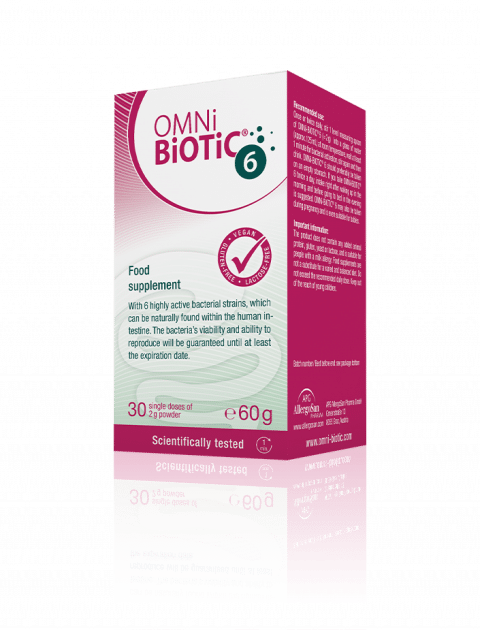
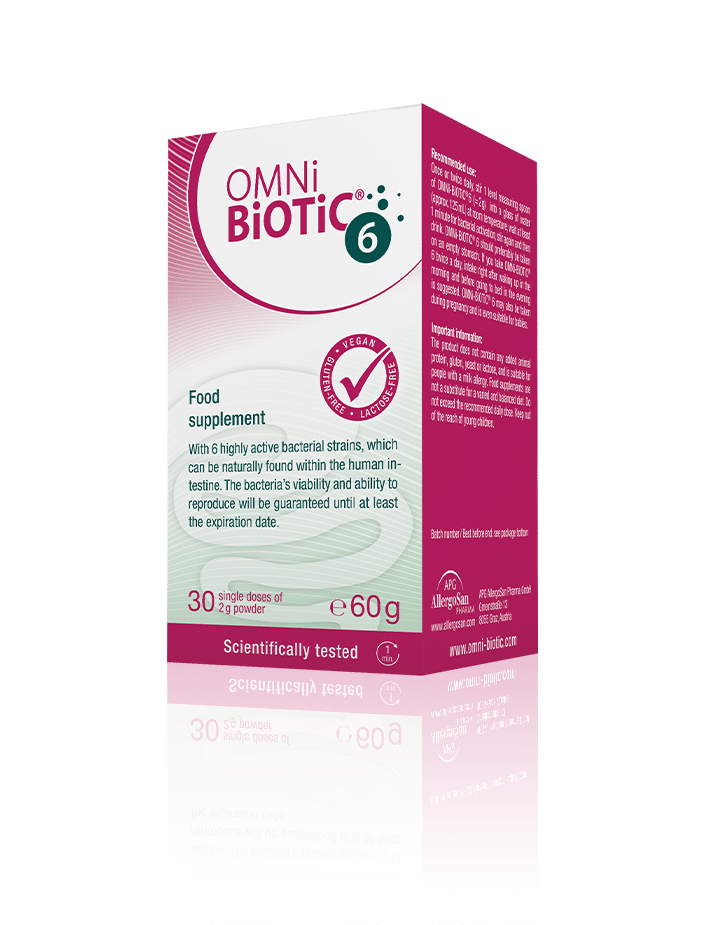
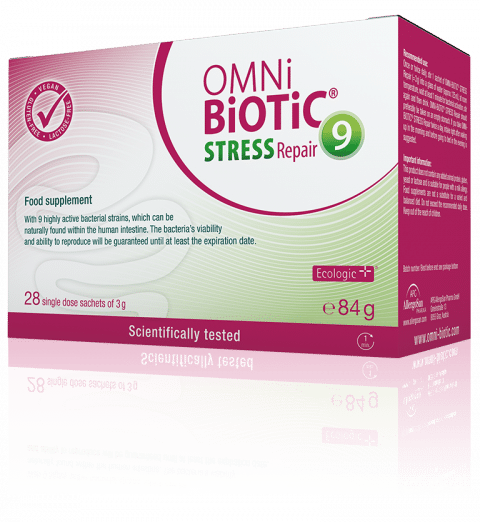

Our highly qualified advisory team, consisting of doctors, pharmacists, biologists, nutritionists and microbiologists, is happy to provide information about the intestine and its microscopic inhabitants.
+43 (0) 316 405 305
Austria
Medical-scientific advice
Monday till Thursday:
8:00 am to 3:00 pm
Friday: 8:00 am to 1:00 pm